
-
Massachusetts Senator Elizabeth Warren and her husband reported an adjusted gross income of $846,394 on their 2018 federal tax return, with $324,687 of that total coming from her work as an author.
April 10
-
Democrats are busy finding new ways to tax the rich. The most straightforward way to do that — an annual tax on household wealth — is an idea with deep roots in Europe that several 2020 hopefuls are hoping to import to the U.S.
March 28
-
Bill Gates, Elizabeth Warren and Bernie Sanders all want the rich to pay more taxes, but Gates is saying what the Democratic candidates appear to be thinking: Go for the capital gains rate.
March 12
-
Before Elizabeth Warren’s wealth tax, there was Donald Trump’s wealth tax.
March 1
-
The Vermont senator and presidential candidate plans to disclose a decade of returns “soon,” he said at a town hall forum on Monday night.
February 26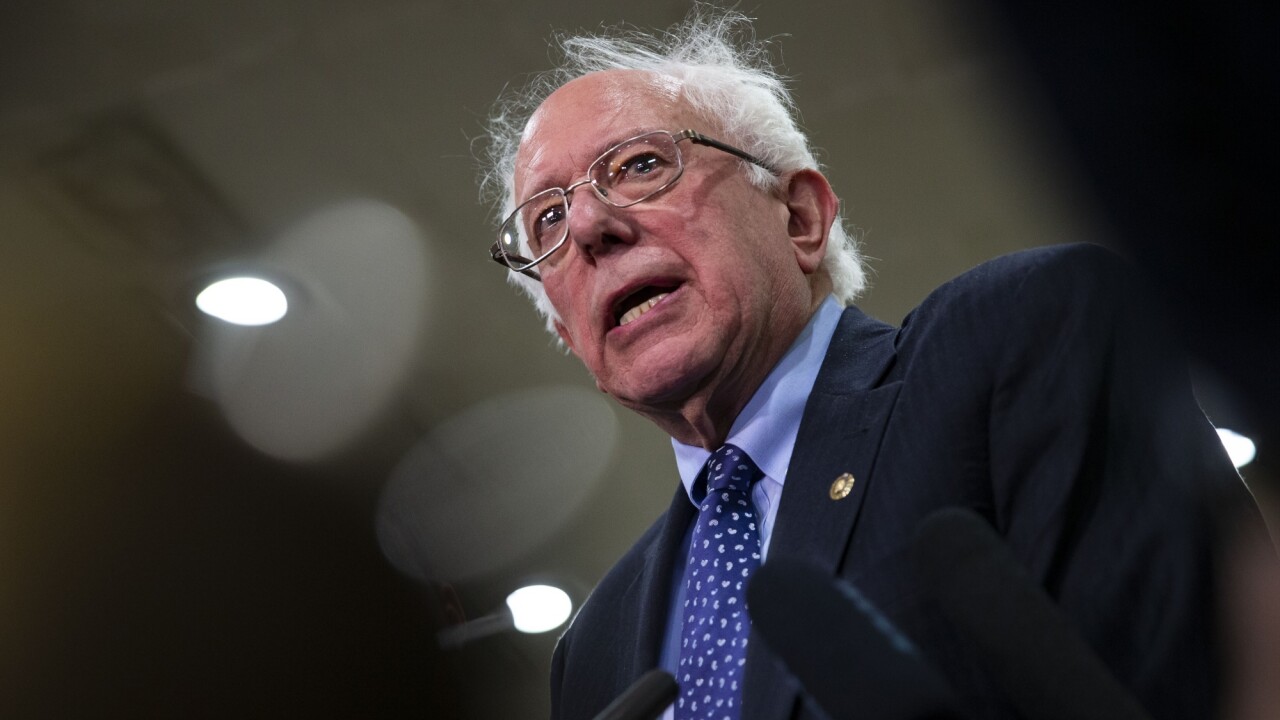
-
Some of the top Democratic presidential candidates are trying to make a name for themselves by calling for higher taxes on the wealthy.
February 21 -
The Democratic presidential candidate would limit American families’ expenses to 7 percent of income regardless of how many children they have in care.
February 19
-
Higher rates tend to be a good thing for the state and local government bond market, a haven for investors looking for income that’s exempt from federal taxes.
February 5
-
The Vermont senator is considering a second run for president, and said his plan would apply to the wealthiest 0.2 percent of Americans
January 31
-
The billionaire CEO of JPMorgan Chase is OK with tax increases on the wealthy, as long as the revenue goes where he thinks it’ll do the most good.
January 31
-
If Democrats want the wealthy to pay more into the U.S. Treasury, they’ll need to contend with one fact: the rich are very good at dodging taxes.
January 25
-
Democratic presidential hopeful Elizabeth Warren has proposed a wealth tax on Americans worth more than $50 million, a pitch aimed at satisfying the eagerness of progressive voters to confront income inequality.
January 25
-
Shortly before passing a far-reaching but unpopular bill on a party line vote, the Speaker of the House assured critics that people would like it once they felt its benefits.
December 20
-
Republican senators defended the late-night, early-morning debate and vote that produced their sweeping revisions to the U.S. tax code, after criticism from Democrats that the bill’s final version incorporated multibillion-dollar changes made with little discussion.
December 4
-
The Treasury Department’s inspector general is examining whether political considerations interfered with Secretary Steven Mnuchin’s promised analysis of the Republican tax proposal.
December 1
-
A group of seven Senate Democrats and one independent has written a letter to the Financial Accounting Standards Board asking FASB to require multinational corporations to disclose their taxes, profits, and revenues on a country-by-country basis, echoing a recent letter from a group of House lawmakers.
October 17
-
Sen. Elizabeth Warren, D-Mass., and three other Senate Democrats are asking the Federal Trade Commission for a government review of the private companies that have been contracted by the Internal Revenue Service to help collect overdue tax debts.
July 12 -
Four Senate Democrats have written a letter to one of the companies hired by the Internal Revenue Service to collect tax debts after complaints that some of its employees encouraged people to use money from their 401(k) retirement funds or take out a second mortgage to pay off their tax debts.
June 26 -
Senators ask the Public Company Accounting Oversight Board about auditing rules in the wake of a high-profile scandal involving the opening of millions of customer accounts.
April 27 -
The new administration is delivering on bankers’ wish lists and sending shares of the biggest U.S. financial companies soaring.
February 3


