
-
Senator Ted Cruz said he expected lawmakers to discuss the deficit impact and suggested it would be better structured as a tax refund with work requirements.
September 10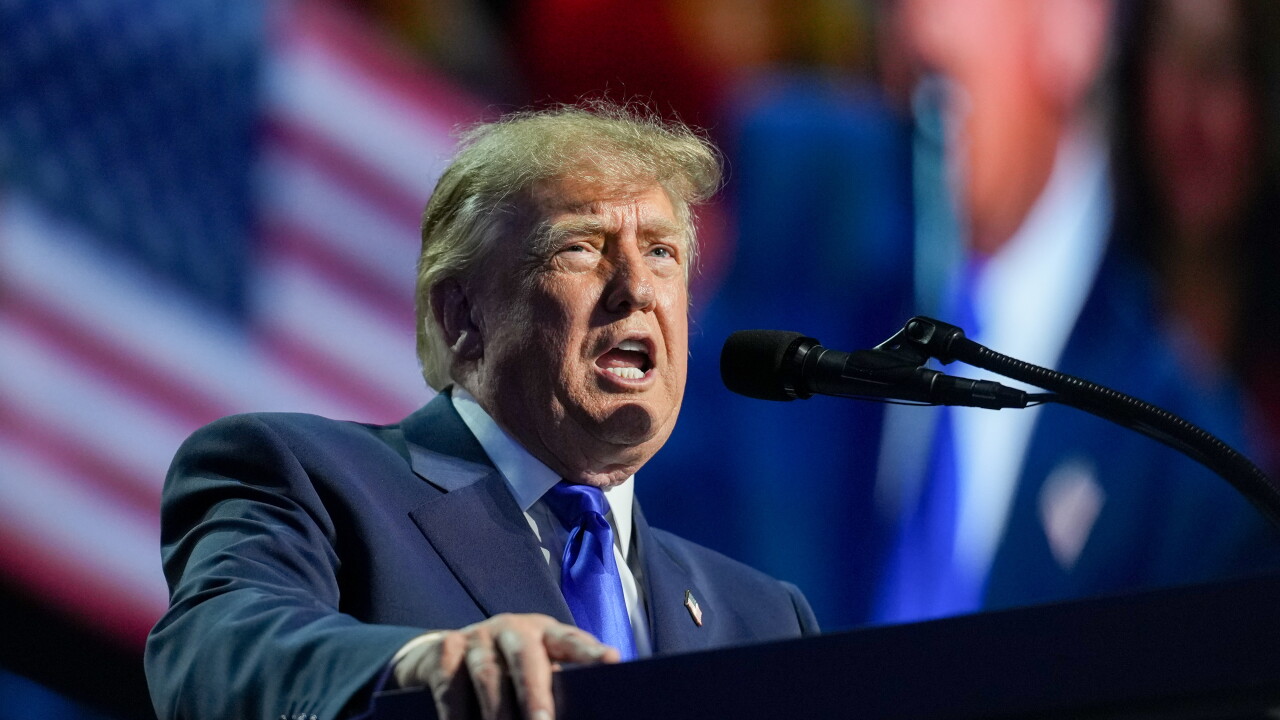
-
The Internal Revenue Service has updated the questions and answers in its fact sheet on the new overtime deduction under the One Big Beautiful Bill Act, now known as the Working Families Tax Cuts.
 August 19
-
The proposal to slash the tax to 4% from 5% can't go before Massachusetts voters in November because of misleading language in the official summary.
June 18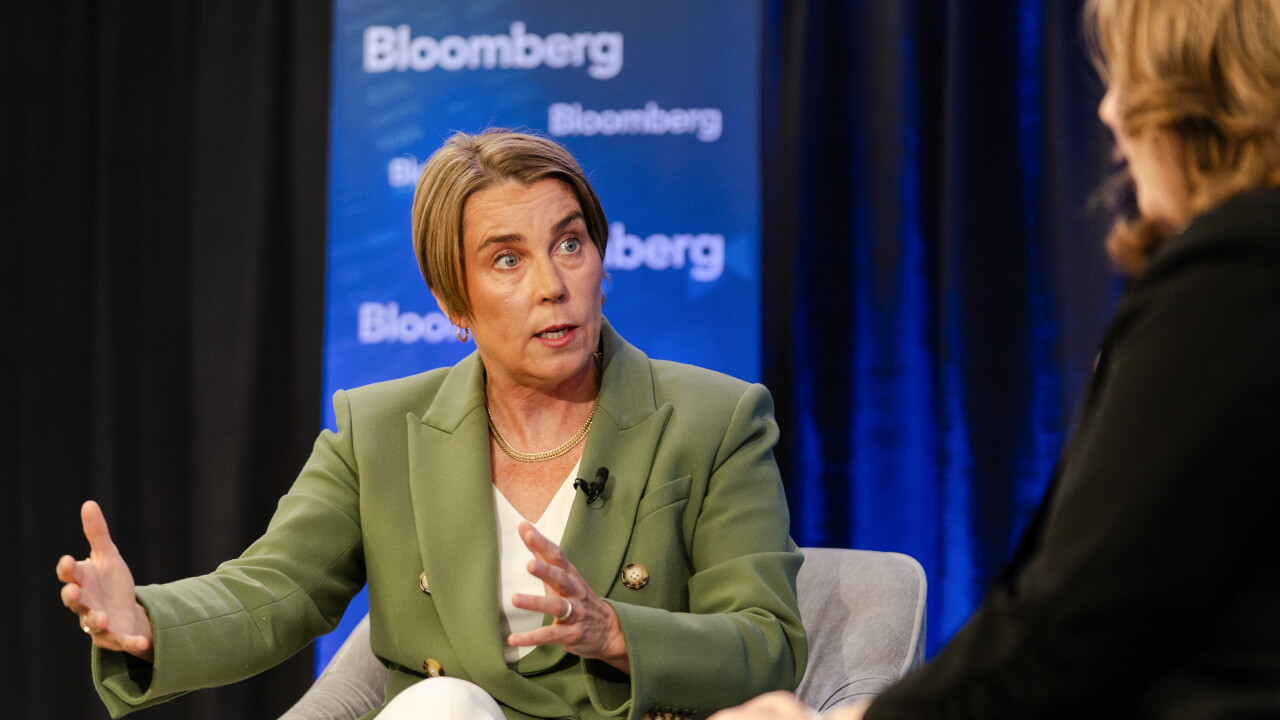
-
Trump said Democratic policies on crime and taxes were leading to an exodus of businesses and taxpayers from New York, as he touted his tax cuts.
May 26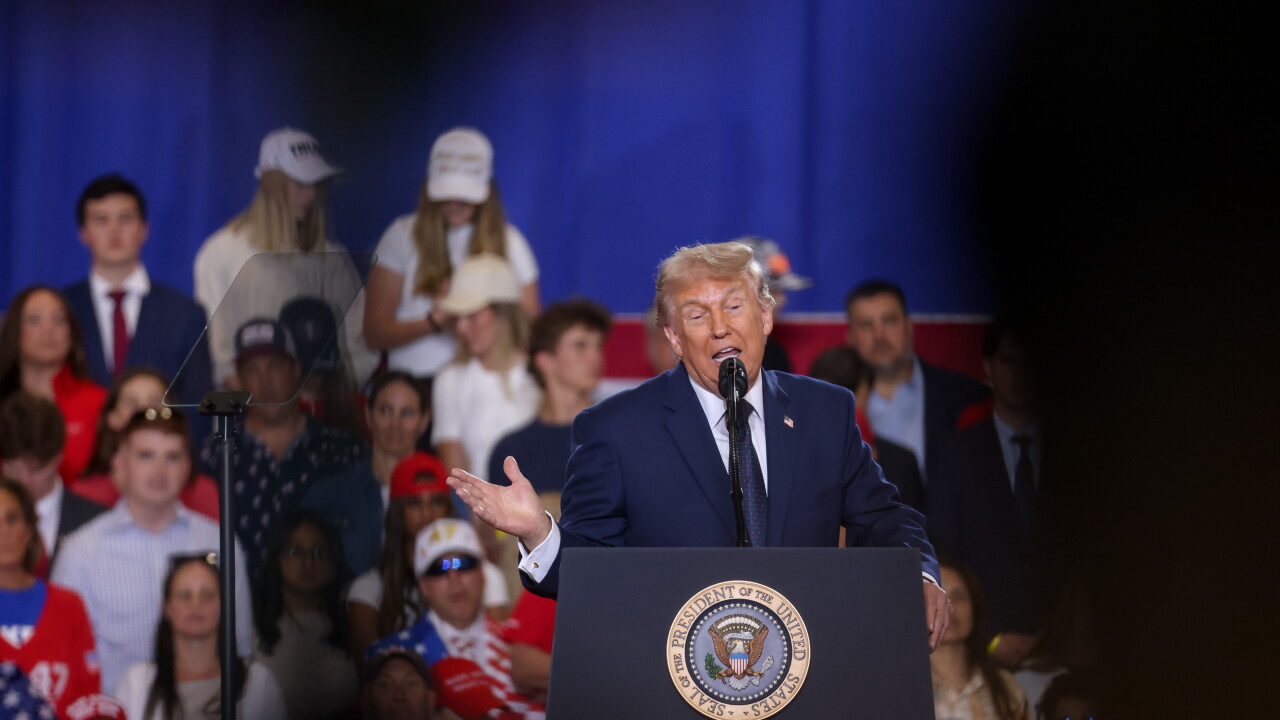
-
Indexing capital gains to inflation would allow taxpayers to adjust the value of an asset to account for rising prices across the economy.
April 29
-
Trump downplayed the likelihood that Republican lawmakers will be able to add tax cuts or other economic priorities to entice voters ahead of the midterms.
April 15
-
The legislation would eliminate income taxes for Americans who earn less than $46,000 and reduce income taxes for those making between $46,000 and $80,500.
March 12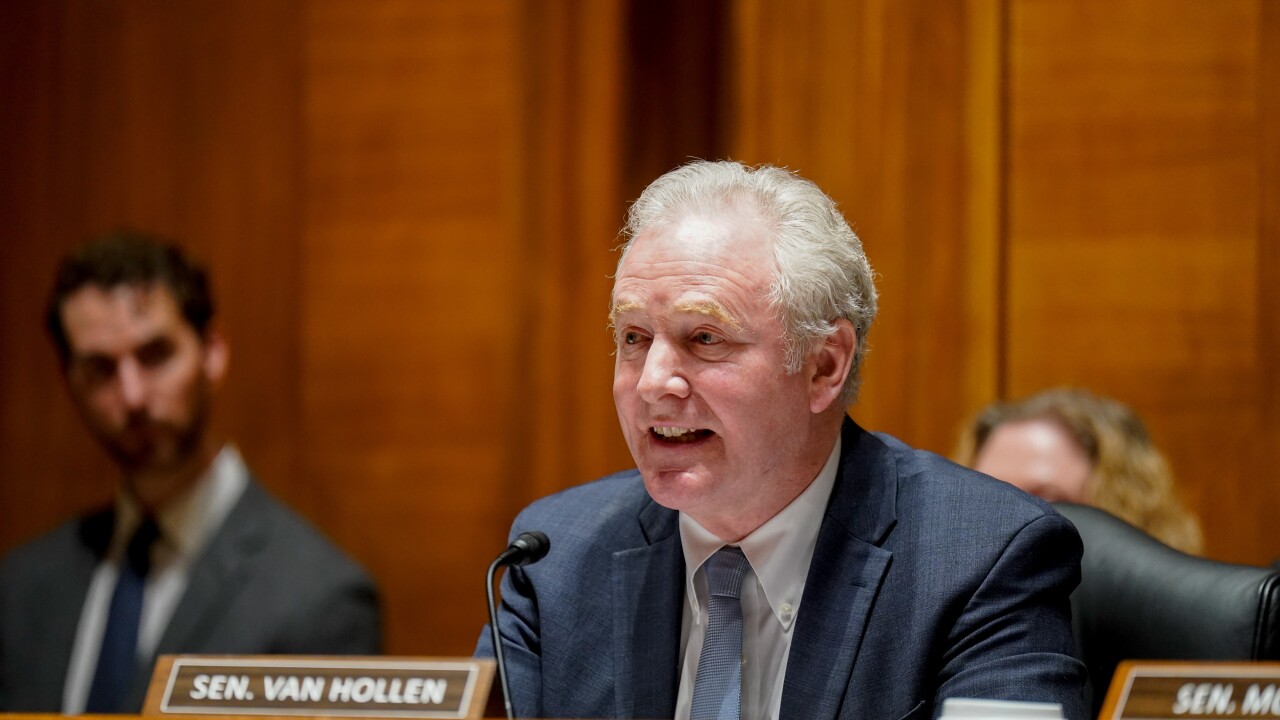
-
The president praised the impact of the One Big Beautiful Bill Act and his tariffs despite a Supreme Court ruling, while proposing new investment accounts.
February 25
-
After a year of rolling policy shocks, the U.S. economy is set to get a lift from President Trump's tax-cuts package to keep the expansion on track in 2026.
January 5
-
Wealthy taxpayers in high-tax states like California, New York and New Jersey are the biggest winners, as are workers who collect tips or overtime, and seniors.
December 15
-
The Treasury Secretary said he hadn't spoken to the president about this idea but "the $2,000 dividend could come in lots of forms, in lots of ways.
November 10
-
A new study predicts the One Big Beautiful Bill Act will reduce federal taxes on average for individual taxpayers in every state, but the impact will differ.
August 13 -
The move will enlarge refunds paid out to taxpayers early next year, ahead of the midterm congressional elections in November 2026.
August 8
-
Republicans are betting bigger tax refunds ahead of midterm elections paid for by cuts in social programs afterward will overcome early public disapproval.
August 7
-
President Donald Trump's recently enacted tax and spending law will add $3.4 trillion to U.S. deficits over a decade and leave millions without health care coverage, according to a new estimate from the nonpartisan Congressional Budget Office.
July 22
-
Selling the OBBBA to the American people may prove to be tougher than passing it, even for a president who built a career on savvy branding.
July 17 -
Business investors and wealthy Americans are among the biggest winners. Those hit the hardest include elite universities, who face new levies, and immigrants.
July 7
-
President Trump signed his $3.4 trillion budget bill into law, enshrining an extension of tax cuts, temporary new breaks for tipped workers and funds for an immigration crackdown.
July 7 -
President Donald Trump secured a sweeping shift in U.S. domestic policy as the House passed a $3.4 trillion fiscal package that cuts taxes, curtails spending on safety-net programs and reverses much of Joe Biden's efforts to move the country toward a clean-energy economy.
July 3
-
The bill includes tax cuts Republicans campaigned on, a phase-out of Biden-era clean energy incentives and funding for the president's crackdown on illegal immigration.
July 3


