
-
The Internal Revenue Service has been working to resolve a problem that was preventing businesses and tax professionals from using a new online portal to file their 1099 forms for free.
 January 31
-
The Internal Revenue Service began accepting tax returns Monday, promising improved help to taxpayers and new resources both in-person and online.
January 29
-
The Internal Revenue Service unveiled a Simple Notice initiative Tuesday to review, redesign and deploy hundreds of its notices, starting with the most common ones.
January 23
-
The Internal Revenue Service has revised the question it has asked in recent years about income from digital assets such as cryptocurrency on the Form 1040 for individual taxpayers this tax season and added it for the first time to tax forms for estates, trusts, partnerships and C and S corporations.
January 22
-
A limited number of tax-exempt organizations won't be able to electronically file their income tax returns until the middle of March due to technology upgrades.
January 18
-
The Internal Revenue Service needs to make improvements to protect the health and safety of employees working at an underground file storage site, where the perils include falling rocks and broken ladders.
December 29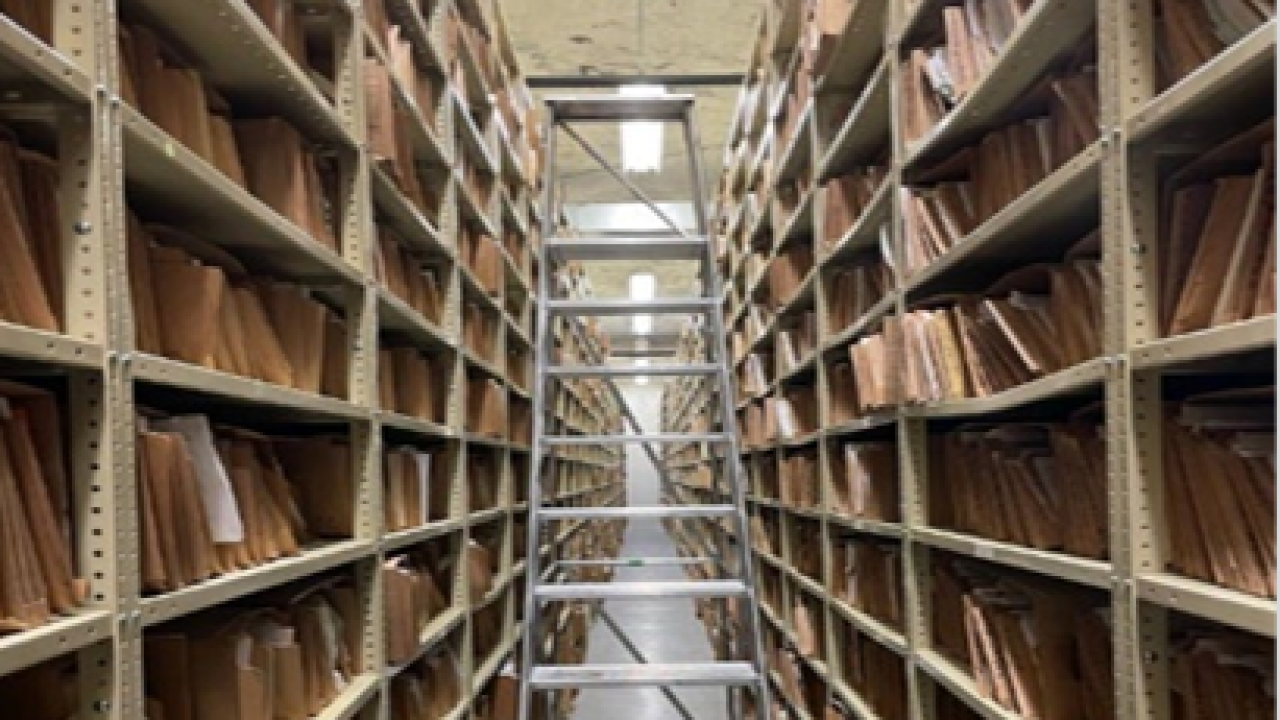
-
The Internal Revenue Service is not expected to meet the Treasury Department's goal of scanning millions of returns by the end of the year.
December 26 -
The lower 1099-K threshold will produce millions more forms to be sent to taxpayers, and may prompt many to abandon online marketplaces and gig economy jobs.
November 28
-
The service will postpone the lower threshold, but will phase in a threshold of $5,000 for tax year 2024.
November 21
-
Thanks to the lower threshold, the service expects to receive about 44 million 1099-Ks in 2024, up from about 14 million.
November 16 -
The service's decision to destroy around 30 million unprocessed paper information returns to reduce its backlog during the pandemic probably had little effect on taxpayers, according to a new report.
November 13
-
The IRS has recently unveiled proposed regulations that shine a light on the murky world of digital asset broker definitions, the intricacies of the new Form 1099-DA, and its implementation timeline.
October 6 Bitwave
 -
The revised Form 6765 could help both the IRS and taxpayers avoid lengthy audits involving faulty claims.
September 20 Sax LLP
 -
The Internal Revenue Service released a sneak peak of some of the changes it's hoping to make to the form for claiming research credits.
September 15
-
The service mistakenly sent out late notices to retirement plan sponsors due to a programming glitch.
September 1
-
The Internal Revenue Service is telling companies they will need to start electronically filing their forms reporting cash payments over $10,000, starting Jan. 1, 2024.
August 30 -
The institute sent comment letters requesting changes in two forms used to report on foreign trusts, and guidance on energy credits and advanced manufacturing investment credits.
August 24
-
Taxpayers who aren't under examination have a new option that promises to make it easier to request relief when they need to file international tax forms and documents past a deadline.
August 11
-
The service isn't doing enough to safeguard sensitive information when it's shipped between tax processing centers, according to a new report.
August 3
-
The Internal Revenue Service hopes to process all of the tax correspondence, notice responses and nontax forms it receives digitally in the next two years.
August 2


