
-
The report marked the slowest month of job creation since the pandemic, although the unemployment rate declined one-tenth of a percentage point to 3.6%.
 July 7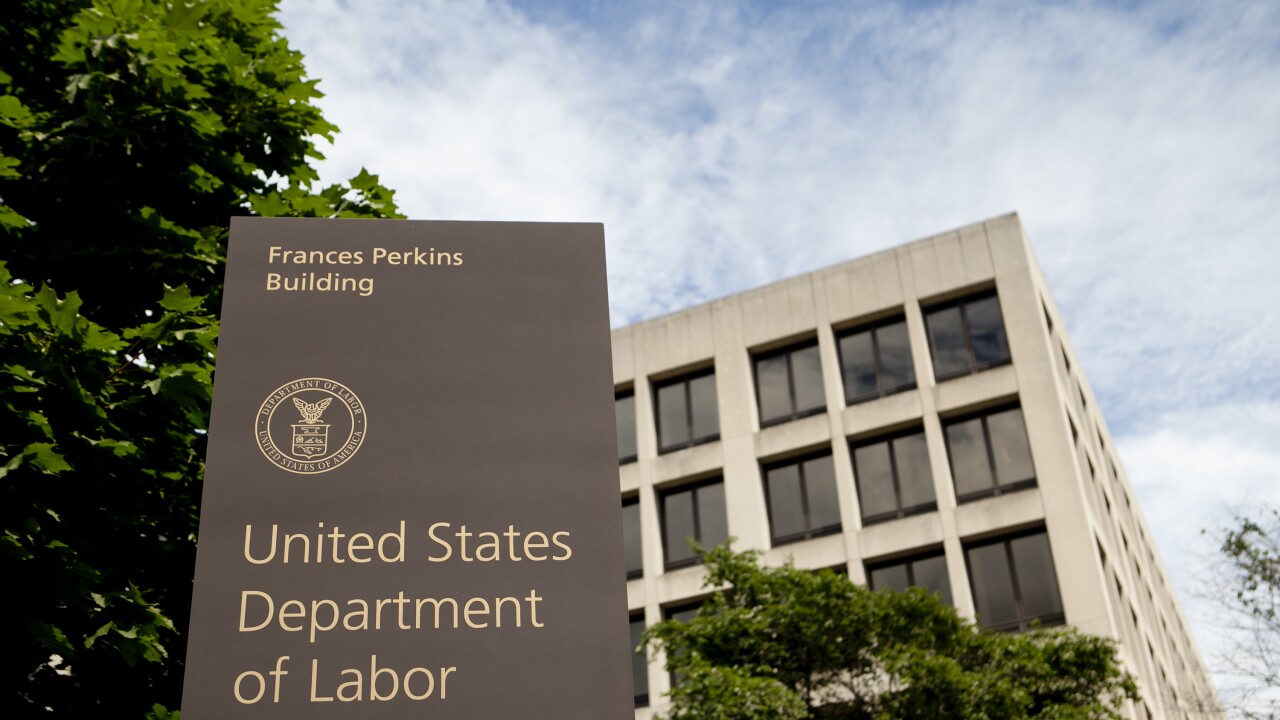
-
The unemployment rate nevertheless rose by 0.3 percentage point to 3.7%, the U.S. Bureau of Labor Statistics reported.
June 2 -
The jobs numbers beat analyst expectations, but the unemployment rate rose two-tenths of a point to 3.6%.
March 10 -
The latest jobs report shattered expectations as the unemployment rate dipped one-tenth of a percentage point to 3.4%, the lowest rate since 1969.
February 3 -
The economy gained 315,000 jobs last month, the U.S. Bureau of Labor Statistics reported Friday, although the unemployment rate inched up two-tenths of a point to 3.7%.
September 2 -
The economy added 390,000 jobs in May, the U.S. Bureau of Labor Statistics reported Friday, including 16,000 jobs in accounting and bookkeeping services.
June 3 -
The unemployment rate fell two-tenths of a point to 3.6%, the U.S. Bureau of Labor Statistics reported Friday, and two previous months' job gains were revised upward.
April 1 -
The unemployment rate fell from 4.2% to 3.9% in December as employers added 199,000 jobs, including 3,400 in accounting and bookkeeping services, the U.S. Bureau of Labor Statistics reported Friday.
January 7 -
The unemployment rate declined by four-tenths of a point to 4.2%, but the job gains fell well short of expectations.
December 3 -
The U.S. Department of Labor issued a final rule that aims to set reasonable limits on the amount of time that tipped employees can spend in non-tipped activities when the employer receives a tip credit.
October 28 -
Employment increased by 943,000 last month, beating expectations, including 8,400 jobs in accounting and bookkeeping, while the unemployment rate fell from 5.9 to 5.4%.
August 6 -
The new rule for defining an employee vs. an independent contractor is likely to be challenged in the incoming Biden administration.
January 12
-
Growth in small business jobs and wages declined last month as a result of the novel coronavirus pandemic, according to payroll giant Paychex.
January 8
-
The economic fallout from the coronavirus pandemic is continuing.
January 8 -
The U.S. Department of Labor issued a final rule to clarify the standard for determining whether a worker should be considered an employee or an independent contractor.
January 6 -
The slowest month of job growth since the spring occurred amid the ravages of the COVID-19 pandemic.
December 4 -
Unemployment declined 1 percentage point to 6.9 percent as the economy continues a slow recovery despite the ongoing COVID-19 pandemic.
November 6 -
Wolters Kluwer Tax & Accounting and Thomson Reuters Checkpoint have released their predictions for the expected annual inflation adjustments from the Internal Revenue Service for various tax-related items.
September 24
-
The unemployment rate edged up to 4.0 percent because of the partial government shutdown.
February 1 -
Keeping employees from being mislabeled as independent contractors hasn't been a big priority, according to a report from the Treasury Inspector General for Tax Administration.
February 26


